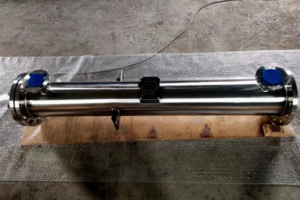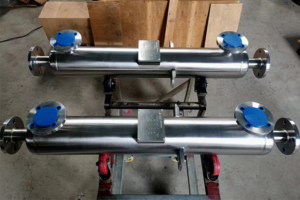
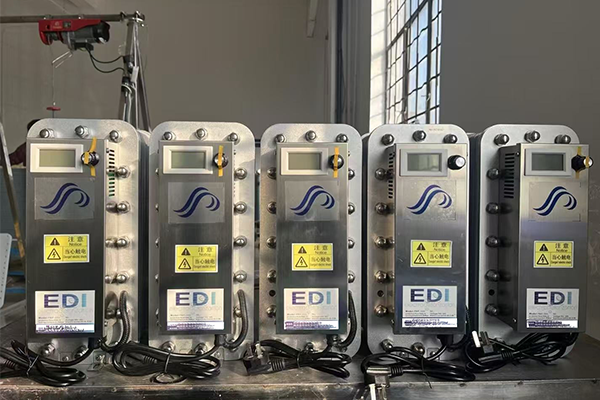
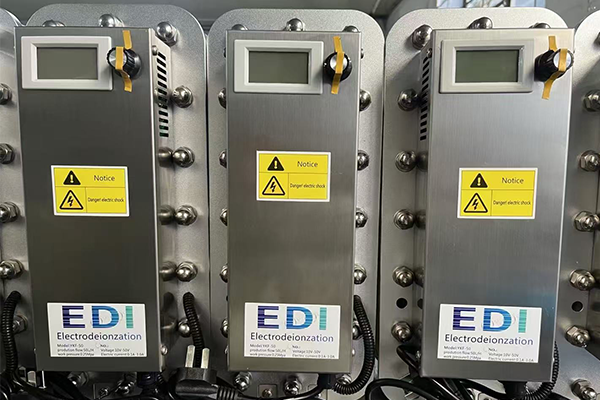
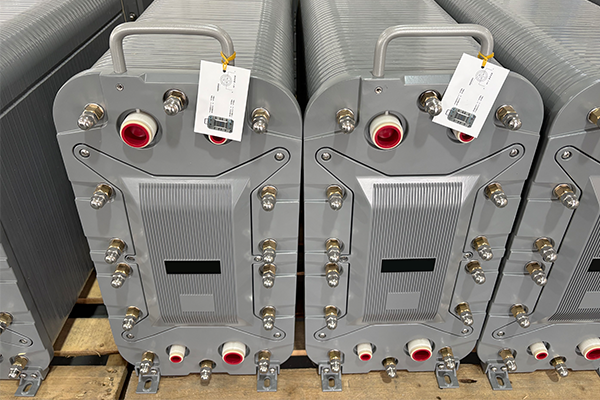
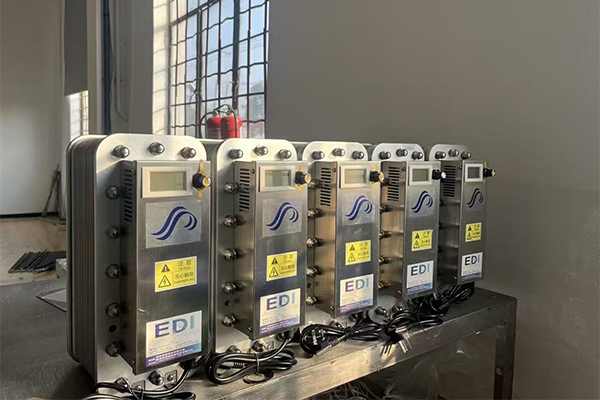
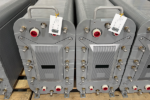
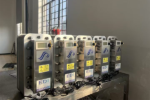
Electrodeionization Module
♦ Main Application:
The Electrodeionization (EDI) module is an advanced water purification technology that continuously produces high-purity water without the need for chemical regeneration.
EDI Module – Introduction & Specifications
EDI Module combines ion-exchange resins with electricity and selective membranes to remove dissolved ions from water, making it ideal for pharmaceutical, electronics, and laboratory-grade applications.
The EDI module is typically installed after a reverse osmosis (RO) system to further polish the water by removing residual ions such as sodium, chloride, and silica. The system operates continuously, automatically regenerating the resins using a low-voltage electric field—eliminating the need for acids or alkalis and reducing operational costs and environmental impact.
EDI modules are compact, modular, and capable of producing ultra-pure water with resistivity up to 16–18 MΩ·cm, meeting the stringent requirements of USP, EP, and FDA water quality standards. The system is designed for full automation and stable operation, with built-in safety and monitoring features.
Technical Specifications
| Parameter | Specification |
| Module Type | EDI Ultra-Pure Water Module |
| Material | Food-grade plastic frame, ion-exchange resin, membranes |
| Inlet Water | RO Permeate (Conductivity ≤ 20 µS/cm, Silica ≤ 1 ppm) |
| Outlet Water Resistivity | 16–18 MΩ·cm (25°C) |
| Water Recovery Rate | ≥ 90% |
| Operating Pressure | 0.2 – 0.6 MPa |
| Operating Temperature | 5 – 45°C |
| Power Supply | DC 48–300V (depending on model) |
| Flow Capacity | 0.25 to 4 m³/h per module (scalable by system) |
| Applications | Pharmaceutical PW systems, labs, electronics, cosmetics |